"The eye sees only see what the mind is ready to comprehend"
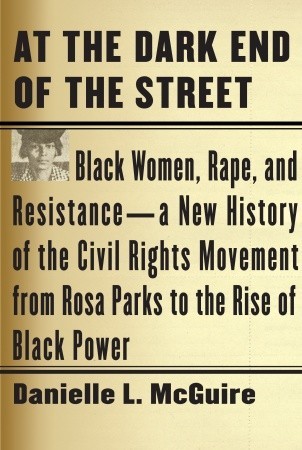
At the Dark End of the Street
In this groundbreaking and important book, Danielle McGuire writes about the rape in 1944 of a twenty-four-year-old mother and sharecropper, Recy Taylor, in Abbeville, Alabama. Seven white men, armed with knives and shotguns, ordered the young woman into their green Chevrolet, raped her, and left her for dead. The president of the local NAACP sent his best investigator and organizer to Abbeville. Her name was Rosa Parks. In taking on this case, Parks launched a movement that ultimately changed the world.
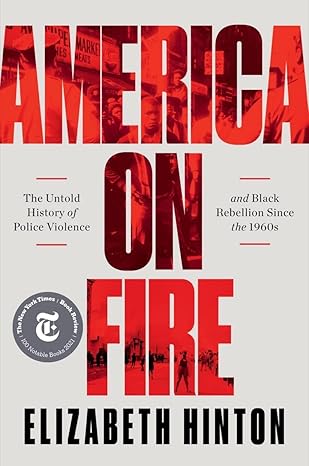
America on Fire
The Untold History of Police Violence and Black Rebellion Since the 1960s. Hinton uncovers a history, taking us on a troubling journey from Detroit in 1967 and Miami in 1980 to Los Angeles in 1992 and beyond to chart the persistence of systemic racism and one of its primary consequences, the so-called urban riot. Hinton offers a critical corrective: The word "riot" was nothing less than a racist trope applied to events that can only be properly understood as rebellions - explosions of collective resistance to an unequal and violent order. The conditions that precipitated it never disappeared, the optimistic story of a post-Jim Crow United States no longer holds.
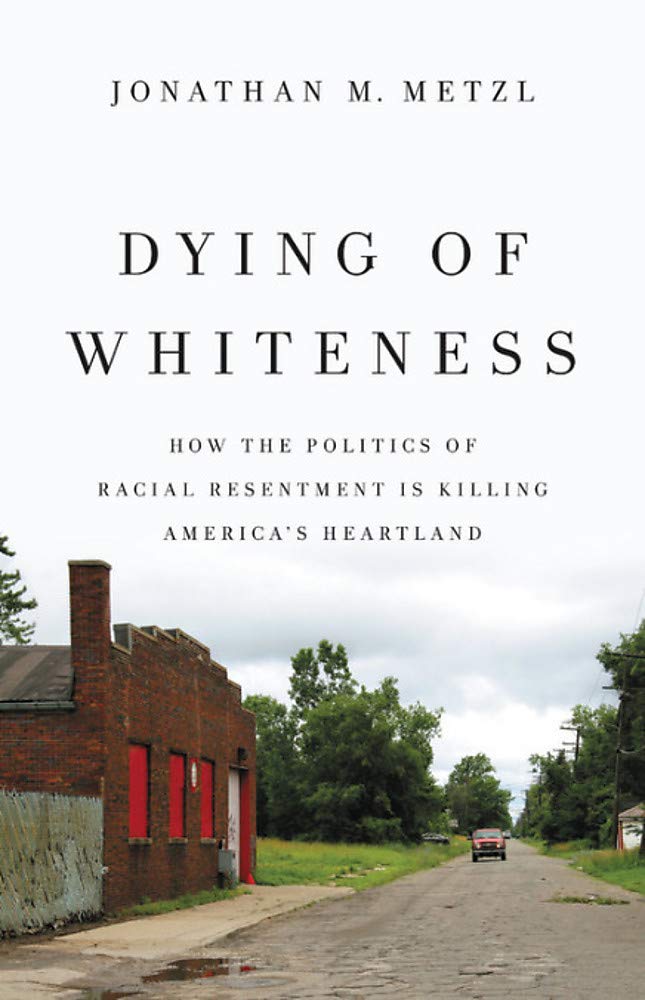
Dying of Whiteness
In election after election, conservative white Americans have embraced politicians who pledge to make their lives great again. But the policies that result actually place white Americans at ever-greater risk of sickness and death. Metzl examines how racial resentment has fueled progun laws in Missouri, resistance to the Affordable Care Act in Tennessee, and cuts to schools and social services in Kansas. He shows these policies' costs: increasing deaths by gun suicide, falling life expectancies, and rising dropout rates.
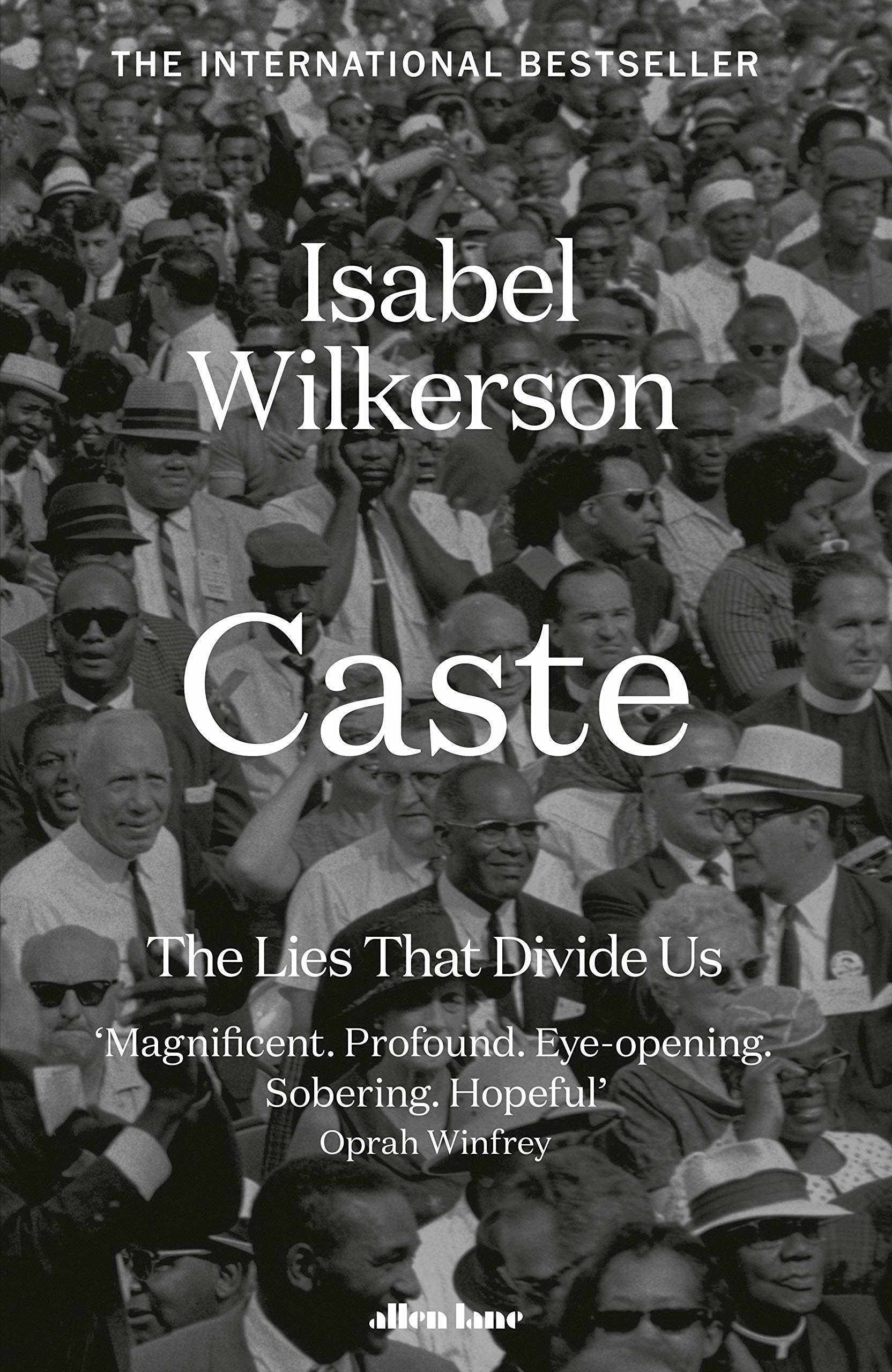
Caste: The Origins of Our Discontents
Beyond race, class, or other factors, there is a powerful caste system that influences people’s lives and behavior and the nation’s fate. Linking the caste systems of America, India, and Nazi Germany, Isabel Wilkerson explores eight pillars that underlie caste systems across civilizations, including divine will, bloodlines, stigma, and more. Using riveting stories about people—including Martin Luther King, Jr., baseball’s Satchel Paige, a single father and his toddler son, Wilkerson herself, and many others—she shows the ways that the insidious undertow of caste is experienced every day.
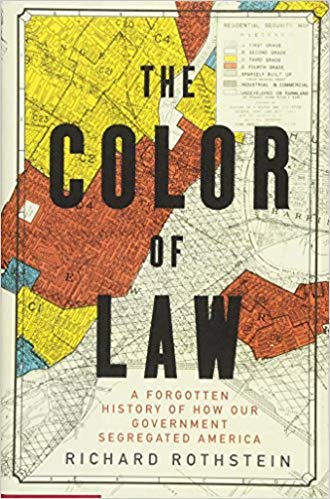
The Color of Law: A Forgotten History of How Our Government Segregated America
In this groundbreaking history of the modern American metropolis, Richard Rothstein, a leading authority on housing policy, explodes the myth that America’s cities came to be racially divided through de facto segregation―that is, through individual prejudices, income differences, or the actions of private institutions like banks and real estate agencies. Rather, The Color of Law incontrovertibly makes clear that it was de jure segregation―the laws and policy decisions passed by local, state, and federal governments―that actually promoted the discriminatory patterns that continue to this day.
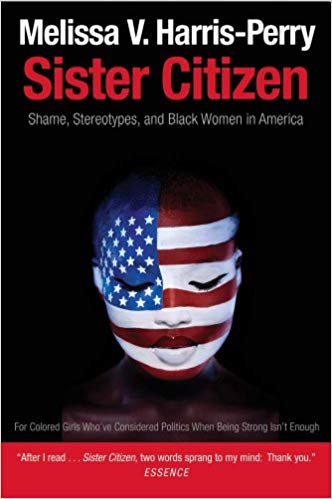
Sister Citizen: Shame, Stereotypes, and Black Women in America
Jezebel's sexual lasciviousness, Mammy's devotion, and Sapphire's outspoken anger - these are among the most persistent stereotypes that black women encounter in contemporary American life. Hurtful and dishonest, such representations force African American women to navigate a virtual crooked room that shames them and shapes their experiences as citizens. Not a traditional political science work concerned with office-seeking, voting, or ideology, Sister Citizen is an examination of how African American women understand themselves as citizens and what they expect from political organizing. Harris-Perry shows that the shared struggle to preserve an authentic self and secure recognition as citizens links together black women in America, from the anonymous survivors of Hurricane Katrina to the current First Lady of the United States.
Dear White Women, It's Not You. It's Me. I'm Breaking Up With You!: Commentaries on Race, White Feminism, Allyship and Intersectionality
Dear White Women, It’s Not You. It’s Me. I’m Breaking Up With You! offers commentary on Race, White Feminism, Allyship, and Intersectionality. “I realized that Black women were just your plaything, something to entertain you on Twitter and Facebook. We were your live and in color resistance rom-com Black best friend. We were your “hey, girl,” “yaassssssss,” and high fives. We were your sassy finger snap, neck roll, and “Auntie.” We were the face of your resistance memes as we “reclaimed our time.” Black women were just the trendy thing, and just like Louboutins or bedazzled fanny packs, White women love to possess what is trendy.” Black Women are tired. The arc of justice is carved into the backs of Black Women. Today is the day for you to take a stand. When you hear the bells of injustice ringing, do not ask for whom the bell tolls? The bell is tolling for you!
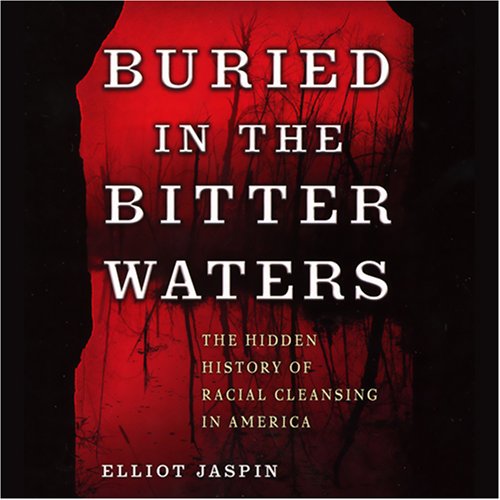
Buried in the Bitter Waters: The Hidden History of Racial Cleansing in America
Leave now, or die! From the heart of the Midwest to the Deep South, from the mountains of North Carolina to the Texas frontier, words like these have echoed through more than a century of American history. The call heralded not a tornado or a hurricane, but a very unnatural disaster--a manmade wave of racial cleansing that purged black populations from counties across the nation. Time after time, in the period between Reconstruction and the 1920s, whites banded together to drive out the blacks in their midst. They burned and killed indiscriminately and drove thousands from their homes, sweeping entire counties clear of blacks to make them racially "pure." The expulsions were swift-in many cases, it took no more than twenty-four hours to eliminate an entire African-American population. Shockingly, these areas remain virtually all-white to this day.