
"The eye sees only what the mind is ready to comprehend"
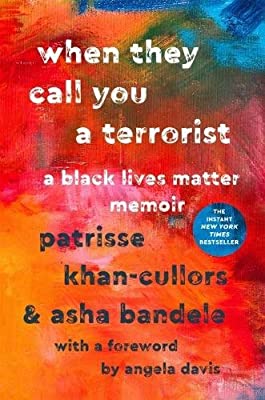
When they call you a terrorist
Two of the co-founders were condemned as terrorists and as a threat to America, these women founded a hashtag that birthed the movement to demand accountability from the authorities who continually turn a blind eye to the injustices inflicted upon Black people. A poetic and powerful memoir about what it means to be a Black woman in America―and the co-founding of a movement that demands justice for all in the land of the free.
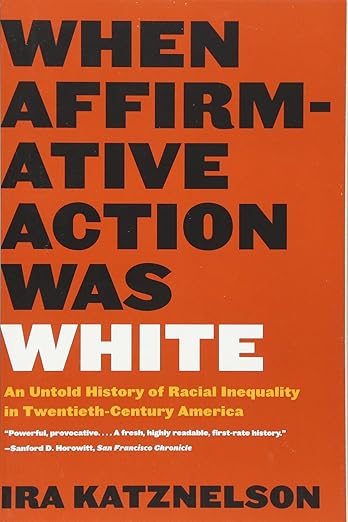
When affirmative action was white
An untold story of racial inequality in Twentieth-Century America. "Through mechanisms designed by Southern Democrats that specifically excluded maids and farm workers, the gap between blacks and whites actually widened despite postwar prosperity. In the words of noted historian Eric Foner, "Katznelson's incisive book should change the terms of debate about affirmative action, and about the last seventy years of American history."
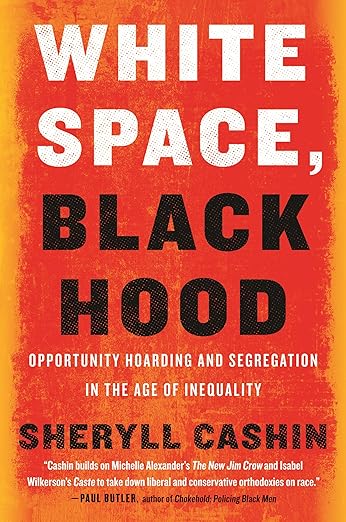
White Spacee, Black Hood
Opportunity hoarding and segregation in the age of inequality. Drawing on nearly 2 decades of research in cities including Baltimore, St. Louis, Chicago, New York, and Cleveland, Cashin traces the processes of residential caste as it relates to housing, policing, schools, and transportation. She contends that geography is now central to American caste. Poverty-free havens and poverty-dense hoods would not exist if the state had not designed, constructed, and maintained this physical racial order.
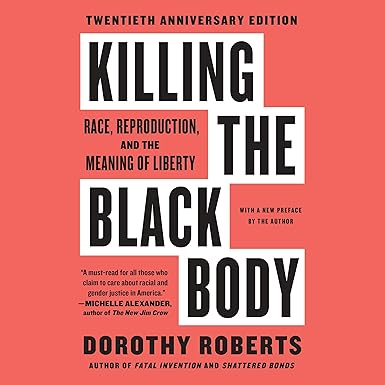
Killing the black body
Race, reproduction, and the meaning of liberty. In 1997, this groundbreaking book made a powerful entrance into the national conversation on race. In a media landscape dominated by racially biased images of welfare queens and crack babies, Killing the Black Body exposed America’s systemic abuse of Black women’s bodies. From slave masters’ economic stake in bonded women’s fertility to government programs that coerced thousands of poor Black women into being sterilized as late as the 1970s, these abuses pointed to the degradation of Black motherhood—and the exclusion of Black women’s reproductive needs in mainstream feminist and civil rights agendas.
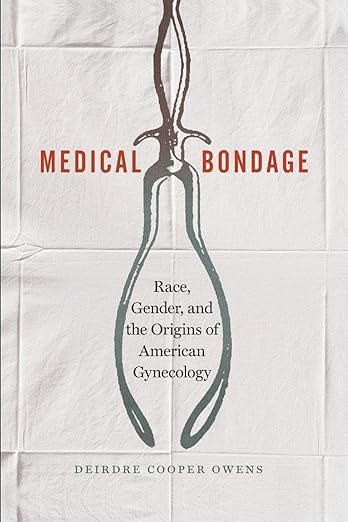
Medical Bondage
Race, gender, and the origins of American gynecology. Medical Bondage moves between southern plantations and northern urban centers to reveal how nineteenth-century American ideas about race, health, and status influenced doctor-patient relationships in sites of healing like slave cabins, medical colleges, and hospitals.
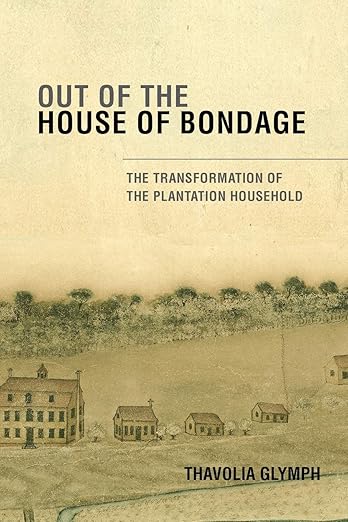
Out of the House of Bondage
The transformation of the plantation houseshold. This book views the plantation household as a site of production where competing visions of gender were wielded as weapons in class struggles between black and white women. Mistresses were powerful beings in the hierarchy of slavery rather than powerless victims of the same patriarchal system responsible for the oppression of the enslaved.
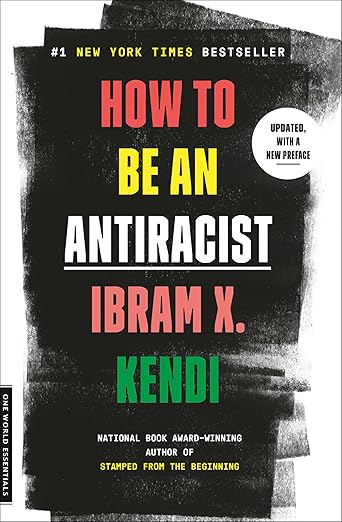
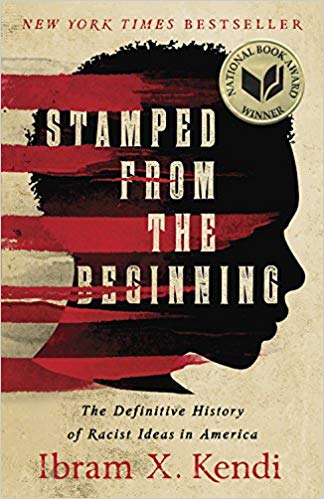
Stamped from the beginning
The definitive history of racist ideas in America. Contrary to popular conception, it reveals that racist ideas did not arise from ignorance or hatred. Instead, they were devised and honed by some of the most brilliant minds of each era, including anti-slavery and pro-civil rights advocates, who used their gifts and intelligence wittingly or otherwise to rationalize and justify existing racial disparities in everything from wealth to health.
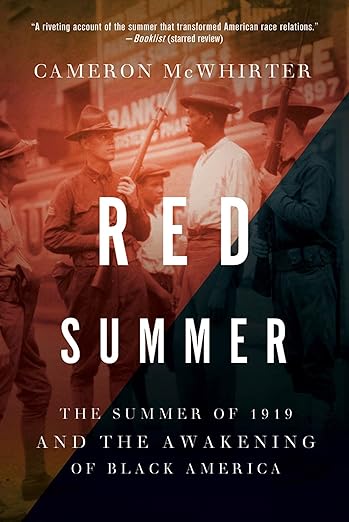
Red Summer
The summer of 1919 and the awakening of Black America. Contrary to popular conception, it reveals that racist ideas did not arise from ignorance or hatred. Instead, they were devised and honed by some of the most brilliant minds of each era, including anti-slavery and pro-civil rights advocates, who used their gifts and intelligence wittingly or otherwise to rationalize and justify existing racial disparities in everything from wealth to health.
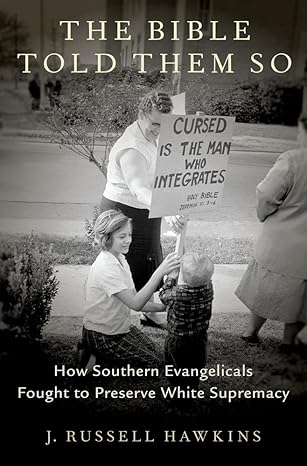
The Bible Told Them So
How southern evangelicals fought to preserve white supremacy. Why did southern white evangelical Christians resist the civil rights movement in the 1950s and 1960s? Simply put, they believed the Bible told them so. These white Christians entered the battle certain that God was on their side. Ultimately, the civil rights movement triumphed in the 1960s and fundamentally transformed American society.
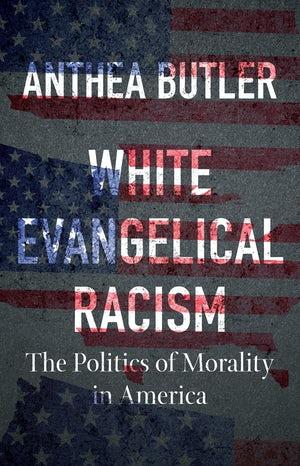
White Evangelical Racism
The politics of morality in America. In this clear-eyed, hard-hitting chronicle of American religion and politics, Anthea Butler argues that racism is at the core of conservative evangelical activism and power. Propelled by the benefits of whiteness, white evangelicals used scripture to defend slavery and nurture the Confederacy during the Civil War era.